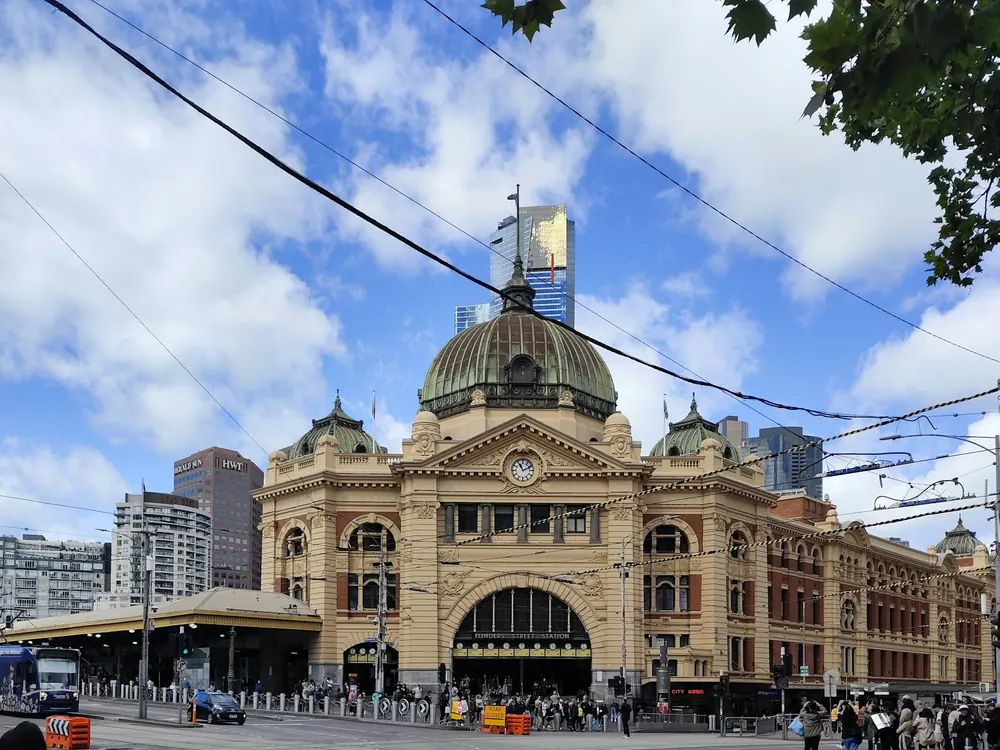
Where to stay: CBD, Southbank or Docklands?
Area comparison
Explore Where to stay: CBD, Southbank or Docklands?Melbourne travel planning
The useful details sit between inspiration and check-in: which end of the city, which station, which entrance and how the trip works after dark.
We may earn commission at no extra cost to you. Confirm live availability and room details with Booking.com.
Area comparison
Explore Where to stay: CBD, Southbank or Docklands?Destination
Explore Melbourne accommodation & travel guide
Transport
Explore Getting around MelbourneStay hub
Explore Melbourne hotels & accommodationStart broad only when the trip is still open. Once the venue, event or neighbourhood is known, move to the specific guide rather than reading generic advice repeatedly.
After selecting an area, verify the exact property entrance, bedding, facilities, accessibility and cancellation terms on the booking provider. SML Stays explains the location decision; the provider confirms the live product.
Neighbourhood trade-offs can remain useful for years, while event dates, tram services, entrances and airport pickup points can change. Every guide should make that distinction clear and retain visible sources and a review date.
The strongest internal links connect destination, neighbourhood, venue, event and transport advice in the order a traveller actually makes decisions. Related guides should remove uncertainty rather than merely increase page views.
Read the destination guide once, then move to the page that owns the next decision. The related links should form a deliberate path from Melbourne to neighbourhood, venue or event, then to transport and accommodation search.
Official operators remain the authority for live dates, fares, accessibility arrangements, gate changes and disruptions. Booking providers remain the authority for live room information, availability and transaction support.
Use the destination guide for the big picture, a neighbourhood guide for atmosphere, and a venue or event guide for the precise accommodation decision. Recheck live transport and operating information before travel.
Choosing the feel and everyday base
Compare who an area suits, its atmosphere, access and honest trade-offs.
A neighbourhood guide cannot replace the exact property-location check.
High-intent trips with fixed plans
Focus on gates, stations, late finishes and the most useful nearby areas.
Current dates and operating arrangements must be rechecked.
Arrivals, departures and connections
Clarify the role of the airport, Southern Cross and the central network.
Live disruptions and operator timetables remain authoritative.
Use location comparisons to narrow the part of Melbourne.
Check dates, entrances, services and exact room facilities.
Use the shared accommodation search when the area feels right.
Start with the destination or accommodation hub, then move to the neighbourhood, venue, event or transport guide that matches the fixed parts of the trip.
Each guide displays its review date and official sources. Recheck live operational details before travelling.
No. SML Stays provides location and planning advice, then sends the selected search to the booking provider for live results and the transaction.
Venue pages provide evergreen location authority, while event pages address distinct dates, sessions, gates and demand patterns without duplicating the same accommodation intent.